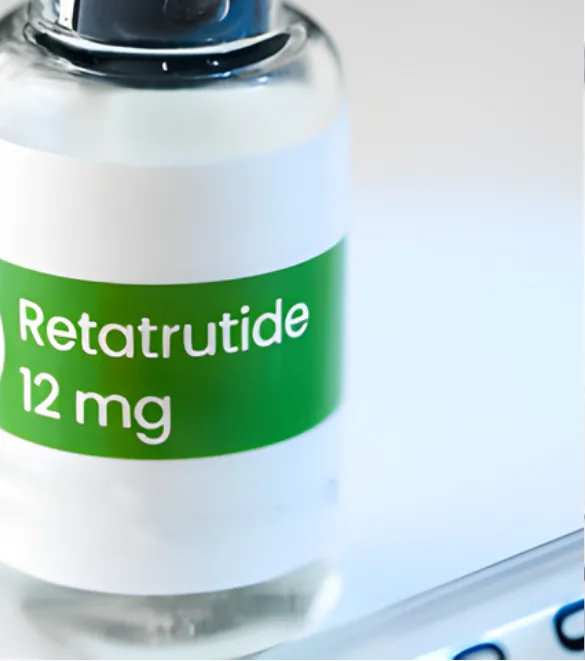



Retatrutide side effects are typically gastrointestinal, including nausea, reduced appetite, and digestive changes, especially during early treatment or dose increases. These effects are linked to how the therapy alters metabolic signaling and usually improve over time when introduced through a structured, physician-guided program.
Key points to know upfront:
- Most side effects occur early and improve as the body adapts
- Symptoms are tied to metabolic signaling changes, not random reactions
- Structured dosing and physician guidance significantly improve tolerability
What Is Retatrutide and Why Is Everyone Talking About It?
Retatrutide is being studied as a triple-pathway metabolic therapy that targets GLP-1, GIP, and glucagon receptors simultaneously. This creates a broader physiological effect compared to earlier treatments that focused primarily on appetite or insulin signaling alone.
The addition of glucagon pathway activation changes the equation. Instead of only reducing caloric intake, the body is also pushed toward increased energy expenditure and fat utilization, which amplifies results over time.
Patients exploring advanced metabolic options are increasingly looking beyond surface-level explanations and into how these therapies are actually delivered in practice through California Trim Clinic’s physician-guided compounded Retatrutide program.
What Are the Most Common Retatrutide Side Effects?
The most commonly reported side effects are gastrointestinal, including nausea, diarrhea, constipation, and occasional vomiting. These effects are directly tied to how the therapy slows digestion and alters hunger signaling.
Patients often notice these symptoms most strongly during early treatment or dose increases. This is when the body is actively recalibrating its internal systems around appetite and digestion.
For most individuals, these symptoms are temporary and improve as the body adapts. The key factor is not whether side effects occur, but how they are managed during this phase.
Why Does Retatrutide Cause Side Effects in the First Place?
Retatrutide works by influencing multiple metabolic pathways simultaneously, which creates a stronger and more comprehensive physiological response. This is what drives both its effectiveness and the adjustment period.
The body is not simply reacting to reduced hunger. It is adapting to changes in digestion, insulin signaling, and energy output, all at once.
Understanding this helps reframe side effects as expected biological responses rather than complications. When approached correctly, they become part of the process rather than a barrier.
What Should You Expect During the First 4–6 Weeks of Retatrutide?
The first phase of treatment is where most adaptation occurs. Appetite suppression becomes more noticeable, food noise decreases, and eating patterns begin to shift naturally.
At the same time, temporary symptoms such as mild nausea, fatigue, or digestive changes may appear. These effects are typically short-term and stabilize as the body adjusts.
For patients trying to understand whether this is normal, the more important question is whether treatment is being introduced within a structured metabolic care model designed for ongoing clinical support.
Are Retatrutide Side Effects Dangerous?
Most side effects are mild to moderate and improve over time, particularly when dosing is introduced gradually. This is consistent with how metabolic therapies affect appetite and digestion.
Less common risks may include pancreatitis, gallbladder issues, or temporary increases in heart rate. These are monitored within clinical programs and are typically dose-dependent.
The presence of risk does not define the therapy. What matters is whether those risks are evaluated and managed within a structured medical framework. Individuals interested in whether this approach applies to their situation typically begin with a $99 discovery call, where we review skin patterns, relevant history, and personalized treatment options, or fill out the contact form with any questions.
How Do You Reduce Retatrutide Side Effects?
Reducing side effects is not about reacting after they happen — it is about how the protocol is designed from the beginning. Gradual dose escalation is one of the most important factors.
Hydration, smaller meals, and avoiding heavy or highly processed foods during early phases can significantly improve tolerability. These adjustments align with how the body is adapting.
Ongoing monitoring allows for real-time adjustments. This is what prevents minor symptoms from becoming disruptive and keeps treatment on track.
What Are Advanced Patients Doing to Improve Results and Stability?
The conversation is already shifting beyond basic weight loss.
Patients who have moved past initial results are now focusing on metabolic efficiency, energy stability, and preventing fatigue during aggressive fat-loss phases.
This is where more advanced strategies come into play, including mitochondrial support approaches outlined in Retatrutide + MOTS-c metabolic optimization strategies.
Why Does Medical Supervision Matter So Much With Retatrutide?
The experience of Retatrutide is not defined by the medication alone. It is defined by how the protocol is structured and how the patient is supported throughout treatment.
Without supervision, patients are left guessing and reacting to symptoms. With proper guidance, each phase is anticipated and managed proactively.
Individuals who want clarity before starting often begin by reviewing their current situation through a $99 discovery call, where we review skin patterns, relevant history, and personalized treatment options, or fill out the contact form with any questions.
Why Does It Matter Where You Get Retatrutide?
As demand increases, so does exposure to unregulated sources. These introduce variability in dosing, purity, and sterility, which directly affects outcomes.
Even small inconsistencies can change how the body responds to therapy. This becomes more important with treatments that influence multiple pathways simultaneously.
Patients seeking consistency and safety are increasingly exploring physician-prescribed compounded peptide therapy delivered through regulated clinical programs.
Is Retatrutide Affordable — And What Do Patients Need to Know About Cost?
Many patients assume advanced metabolic therapies are financially out of reach. This assumption often delays exploration of structured care options.
Programs built around compounded therapies can provide more accessible pricing compared to brand-name medications, particularly for long-term use.
Understanding how clinics approach affordability is part of the decision-making process, especially when reviewing how treatment costs are structured to remain sustainable over time.
What Should You Do Before Starting Retatrutide?
The most important step is evaluation, not assumption. Understanding your metabolic profile, treatment history, and goals determines whether this therapy is appropriate.
Patients who skip this step often struggle with unnecessary side effects or inconsistent results. Those who begin with structured guidance move through treatment more efficiently.
This is why many patients start by clarifying their situation through a physician-guided consultation before making any decisions.
The Bottom Line: Is Retatrutide Worth It Despite the Side Effects?
Retatrutide represents a shift in how metabolic health is being treated. It is not simply another option — it is a broader approach to how the body regulates weight and energy.
Side effects are part of that transition, not a sign that something is going wrong. The difference is whether that phase is managed strategically.
Patients who approach treatment with structure, supervision, and clarity are the ones who move through that phase successfully and sustain long-term results.
Medical Disclaimer
CLINICIAN-SUPERVISED MEDICAL WEIGHT LOSS
MEDICATION SOURCED FROM FDA-REGULATED U.S. COMPOUNDING PHARMACIES
This content is for educational purposes only and does not constitute medical advice. All treatment decisions must be made under the supervision of a licensed healthcare provider following appropriate evaluation.
KEY BENEFITS AT A GLANCE
 DEEPER METABOLIC IMPACT
Targets multiple pathways beyond appetite alone.
 PREDICTABLE SIDE EFFECT PATTERN
Most symptoms are expected and manageable with proper guidance.
 STRUCTURED CLINICAL APPROACH
Treatment adapts to your body, not the other way around.
 ACCESS TO ADVANCED THERAPIES
Physician-guided options available nationwide through telehealth.
To explore how physician-guided metabolic therapies such as tirzepatide and emerging peptide treatments like retatrutide are shaping the future of medical weight management, visit CaliforniaTrimClinic.com and RXforRetatrutide.com or schedule a personalized consultation. Licensed providers offer structured telehealth care available nationwide in all 50 states.