
BPC-157 is being explored for its potential to support skin repair at a deeper level, rather than simply suppressing inflammation. Patients with eczema and rosacea are increasingly turning to physician-guided peptide protocols when traditional treatments fail to stabilize flare-ups long-term.
Key points to know upfront:
- Chronic flare-ups often reflect impaired skin repair, not just inflammation
- BPC-157 is being explored for tissue repair and cellular recovery support
- Physician-guided protocols help shift skin from cycles to long-term stability
Why Do Eczema and Rosacea Keep Coming Back After Treatment?
For many patients, eczema and rosacea do not resolve — they cycle. Symptoms flare, treatments are applied, and the skin improves temporarily before returning to the same baseline.
Over time, this creates a pattern where treatment becomes maintenance rather than progress. Patients are managing symptoms, but not changing how their skin behaves long-term.
This pattern often reflects a limitation in the treatment model itself. When the focus stays on calming visible inflammation instead of stabilizing underlying skin function, the cycle continues.
What Is Changing in How These Skin Conditions Are Being Treated?
California Trim Clinic is noting that a shift is beginning in how clinicians approach chronic skin conditions. Instead of asking how to control flare-ups, the focus is moving toward why the skin is not repairing properly.
This reframes eczema and rosacea as more than inflammatory conditions. It introduces the idea that impaired recovery and signaling within the skin may be a central factor.
Patients exploring this shift are increasingly looking into structured programs that support tissue repair, including physician-guided peptide therapy programs designed around restoration rather than suppression.
What Does a Real Case Show About BPC-157 and Skin Recovery?
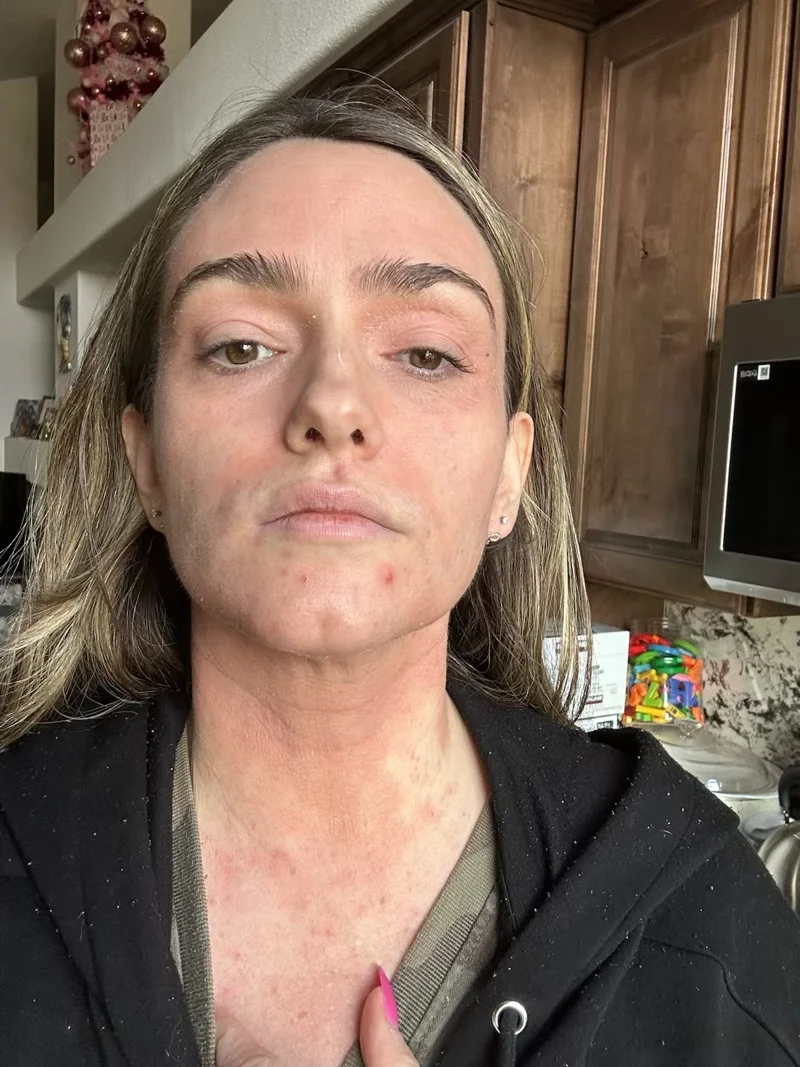
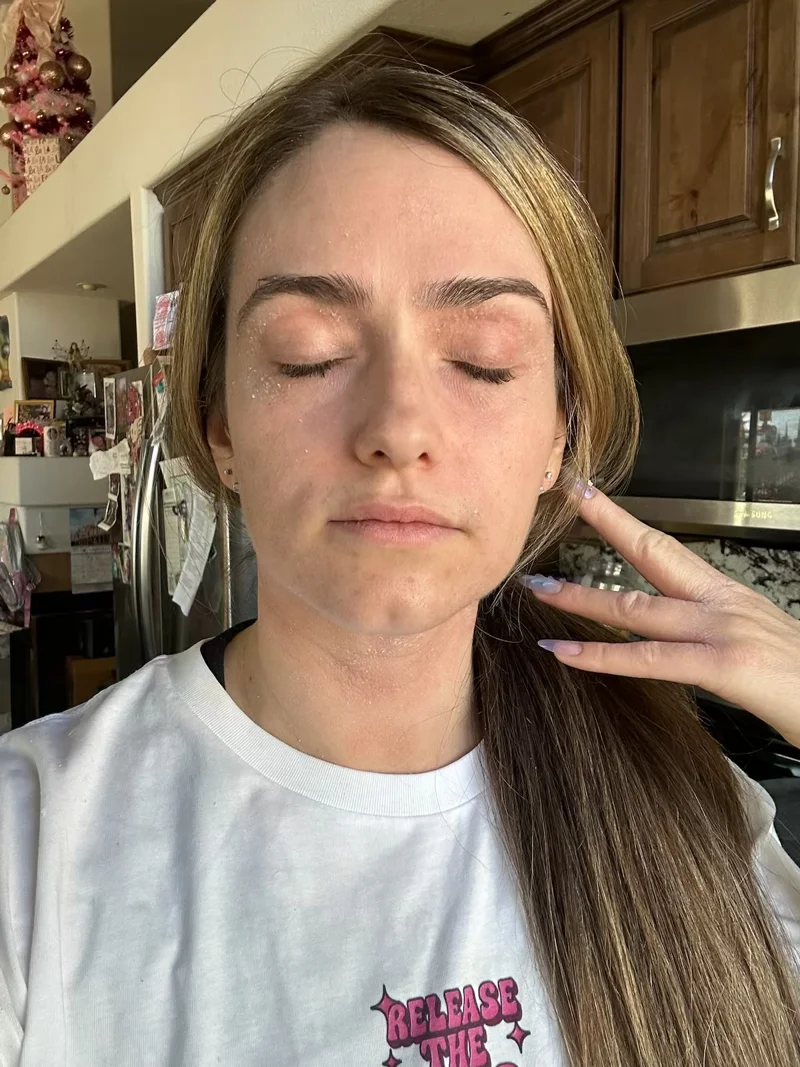
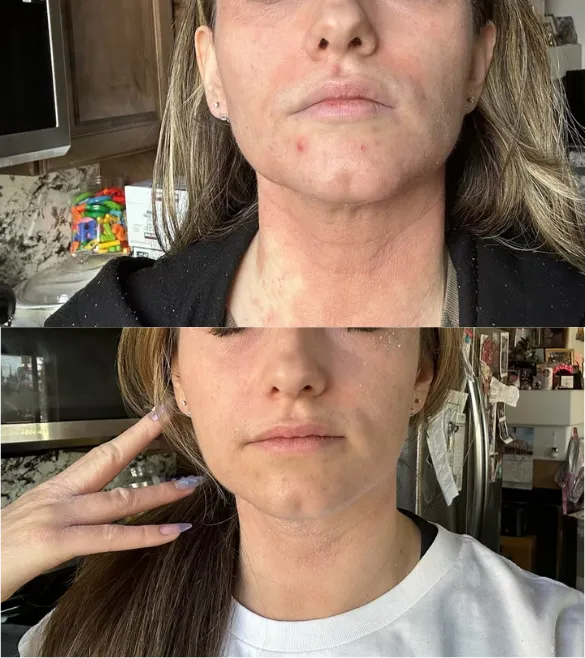
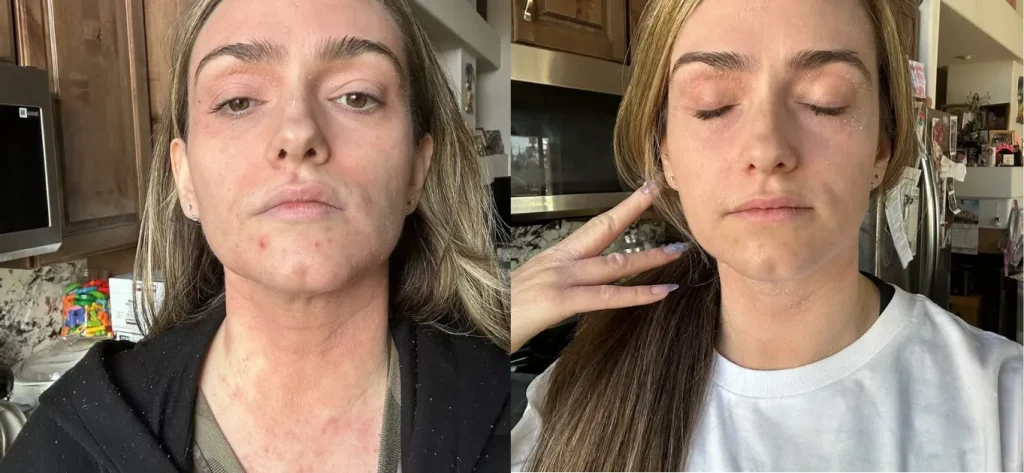
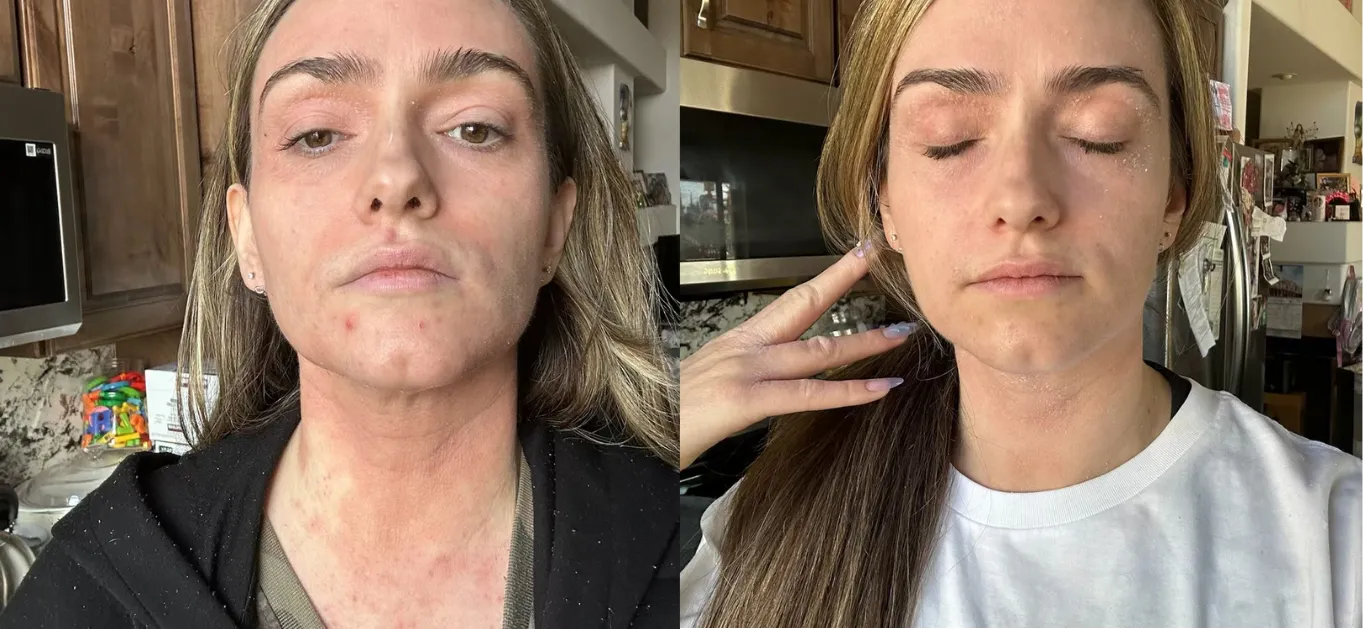
In one recent case, a California Trim Clinic patient had spent years relying on prescription treatments that controlled symptoms but never stabilized the condition. Flare-ups remained consistent, and improvement was always temporary.
After transitioning into a peptide protocol incorporating BPC-157, visible inflammation decreased and flare patterns began to change. The skin was no longer reacting in the same repetitive cycle.
What makes this outcome significant is not just the visual improvement. It is the behavioral shift in how the skin responded, moving from repeated flare-ups toward a more stable baseline.
How Does BPC-157 Work for Skin Repair?
BPC-157 is being studied for its role in supporting tissue repair rather than acting solely as an anti-inflammatory. It is believed to influence pathways related to angiogenesis, cellular signaling, and recovery of damaged tissue.
This creates a different therapeutic direction. Instead of forcing the skin into temporary calm, the goal becomes improving the conditions that allow healing to occur.
Patients interested in whether this approach applies to their situation typically begin with a $99 discovery call, where we review skin patterns, relevant history, and personalized treatment options, or fill out the contact form with any questions.
Why Are Some Patients Seeing Faster or More Noticeable Changes With BPC-157?
When treatment shifts from suppression to repair, the trajectory changes. Patients are no longer reacting to flare-ups — they are addressing the reason those flare-ups persist.
This often leads to fewer recurring cycles and a more stable baseline over time. The difference is not just visual, but functional in how the skin behaves.
Patients who explore structured protocols earlier tend to avoid years of repeated treatment cycles that never fully resolve the condition.
What Happens After Inflammation Improves — And Why It Matters
Reducing inflammation is only the first phase of recovery. Once the skin stabilizes, the focus shifts toward rebuilding texture, hydration, and overall skin quality.
This is where additional support, such as copper peptides like GHK-Cu, may be introduced to support collagen production and skin remodeling.
This layered approach reflects a broader evolution in care, where patients move beyond symptom control and toward long-term restoration strategies.
Why The Shift to BPC-157 Is Becoming More Relevant Right Now
Patients are becoming more aware that managing symptoms and restoring function are not the same thing. That distinction is driving a growing interest in repair-based approaches.
As more providers adopt this framework, the gap between traditional treatment cycles and structured recovery protocols is becoming more visible.
Patients who recognize this early are often the ones who step out of the cycle first and begin seeing more consistent progress through physician-prescribed peptide therapy programs designed for long-term skin stability.
What Should You Do If Your Skin Isn’t Improving?
If your current treatment plan feels repetitive rather than progressive, it may be time to reassess the strategy. Continuing the same approach often leads to the same outcome.
The next step is not necessarily adding more treatments, but understanding whether the current model is addressing the root issue. This is where evaluation becomes more important than experimentation.
Many patients begin by exploring how structured peptide-based programs fit into their care, particularly when looking for long-term solutions rather than temporary relief.
When Is It Time to Consider a Different Approach?
If flare-ups continue to return, improvements feel temporary, or your skin has plateaued despite consistent care, those are signals — not failures.
They often indicate that the condition is not being addressed at the level it actually exists. At that point, patients typically move from trying new products to seeking structured evaluation.
This transition often begins with understanding how care is delivered, including how treatment can remain accessible while maintaining clinical oversight.
FAQs
Does BPC-157 help eczema and rosacea?
BPC-157 is being studied for its potential to support tissue repair and reduce inflammatory signaling.
How is it different from traditional treatments?
Traditional treatments suppress symptoms, while BPC-157 focuses on supporting deeper repair processes.
Can it reduce flare-ups long-term?
Some patients report fewer recurring flare cycles when treatment targets repair instead of suppression.
Is it safe to use regularly?
Safety depends on dosing, sourcing, and physician supervision within a structured program.
What comes after inflammation improves?
Treatment often shifts toward skin restoration, including collagen support and texture improvement.
The Bottom Line: Is BPC-157 the Future of Skin Treatment?
Most patients are still treating eczema and rosacea the way they always have. What is changing is the understanding of why those treatments often plateau.
This shift is subtle, but it changes everything. It moves treatment from repetition to progression, from symptom control to functional recovery.
For many patients, that transition begins with a single decision — to explore whether a repair-focused, physician-guided approach is the right next step. Individuals can seek a $99 discovery call, where we review skin patterns, relevant history, and personalized treatment options, or fill out the contact form with any questions.
Medical Disclaimer
CLINICIAN-SUPERVISED MEDICAL WEIGHT LOSS
MEDICATION SOURCED FROM FDA-REGULATED U.S. COMPOUNDING PHARMACIES
This content is for educational purposes only and does not constitute medical advice. All treatment decisions must be made under the supervision of a licensed healthcare provider following appropriate evaluation.
KEY BENEFITS AT A GLANCE
 BREAKS THE FLARE CYCLE
Targets why symptoms return, not just the symptoms themselves.
 SUPPORTS SKIN REPAIR MECHANISMS
Focuses on healing, not temporary suppression.
 IMPROVES LONG-TERM SKIN STABILITY
Helps shift skin behavior toward consistency.
 STRUCTURED, PHYSICIAN-GUIDED CARE
Personalized protocols based on your condition and response.
To explore how physician-guided metabolic therapies such as tirzepatide and emerging peptide treatments like retatrutide are shaping the future of medical weight management, visit CaliforniaTrimClinic.com and RXforRetatrutide.com or schedule a personalized consultation. Licensed providers offer structured telehealth care available nationwide in all 50 states.