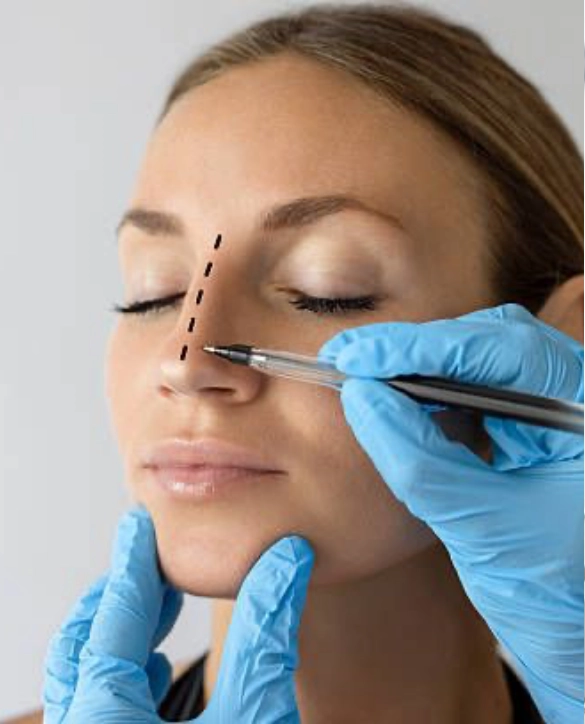

Peptides are sometimes used before and after plastic surgery to support tissue repair, mobility, and skin recovery under medical supervision. Their role differs depending on timing, with pre-surgery use focused on preparation and post-surgery use centered on healing support. Proper guidance helps ensure peptides complement, rather than replace, standard surgical care.
Key takeaways to know upfront:
- Peptides are discussed as supportive tools, not replacements for surgery
- Pre- and post-operative goals are biologically different
- Medical supervision matters for safety, timing, and appropriateness
Why do people consider peptides before and after plastic surgery?
Plastic surgery places controlled stress on the body, triggering inflammation, tissue repair, and recovery processes. Many patients look for ways to support these processes responsibly.
Peptides are often discussed because of their association with cellular signaling involved in healing, movement, and skin integrity. Interest typically increases when patients want to prepare their bodies and support recovery afterward.
Clinician-guided care helps determine whether peptides are appropriate in the context of a specific procedure. California Trim Clinic approaches peptide therapy as part of a supervised plan rather than a standalone solution. Learn more about our most popular peptides and how they can help you on your wellness journey.
How does BPC-157 fit into pre- and post-surgery recovery?
BPC-157 is commonly discussed in recovery contexts because of its relationship to soft tissue signaling and inflammatory balance. It is often referenced when patients are thinking about healing readiness.
Before surgery, BPC-157 may be considered to support tissue resilience ahead of surgical stress. The focus remains on preparation, not accelerating outcomes.
After surgery, it is often discussed as part of a recovery-support conversation alongside rest, compression, and surgeon instructions. Its role is framed as supportive rather than primary treatment.
Why is TB-500 often mentioned around surgical recovery?
TB-500 is frequently associated with movement, flexibility, and connective tissue adaptation. These are common concerns during recovery, especially after body-contouring procedures.
Before surgery, TB-500 may be discussed when mobility or tissue readiness is part of pre-operative planning. The emphasis stays on preparing the body for a smoother recovery phase.
After surgery, it is often mentioned when stiffness or limited movement becomes part of healing. Discussions typically center on gradual mobility support rather than rapid return to activity.
How does GHK-Cu support cosmetic recovery?
GHK-Cu is widely recognized in aesthetic and dermatologic settings, making it particularly relevant for cosmetic surgery patients. It is often associated with skin signaling and quality.
Before surgery, GHK-Cu may be discussed as part of skin-health preparation, especially for facial or skin-focused procedures. The goal is supporting skin integrity before incisions occur.
After surgery, it is commonly referenced in conversations about skin appearance and recovery environments. This makes it especially relevant during visible healing phases.
How Do Peptide Considerations Differ for Facial vs Body Procedures?
Facial and body plastic surgery stress the body in different ways, which is why peptide discussions often vary depending on the procedure. Facial surgeries usually focus on skin quality and visible healing, while body procedures tend to involve deeper tissue recovery and mobility.
Because of these differences, clinicians may discuss the same peptides with different goals in mind. Timing, tissue depth, and recovery expectations all shape how support is planned.
This distinction helps patients understand why recovery strategies are not one-size-fits-all, even when similar tools are involved.
How Are Peptides Discussed for Facial Procedures?
For facial procedures such as facelifts, eyelid surgery, or neck contouring, GHK-Cu is often discussed due to its association with skin signaling and collagen-related processes. It may come up before surgery when supporting skin integrity is a priority.
After surgery, GHK-Cu is commonly referenced in conversations about visible healing, texture, and skin recovery. The focus remains on supporting a healthy recovery environment rather than accelerating cosmetic outcomes.
BPC-157 may also be discussed for facial procedures when soft tissue healing and inflammation management are part of recovery planning, particularly in delicate areas where swelling or bruising can be more noticeable.
How Are Peptides Discussed for Body Procedures?
Body procedures such as liposuction, tummy tucks, or body contouring typically involve deeper tissue disruption and longer recovery timelines. In these cases, BPC-157 may be discussed for soft tissue recovery support.
TB-500 is more commonly mentioned for body procedures when connective tissue adaptation and mobility are key concerns. These discussions often relate to stiffness and gradual return to movement.
Before body surgery, peptides may be discussed as part of preparation focused on tissue resilience. After surgery, the emphasis usually shifts toward movement tolerance and longer-term recovery support under clinician supervision.
Why does timing matter when using peptides around surgery?
The body’s needs before surgery differ from its needs during recovery. Preparation focuses on resilience, while recovery focuses on repair and adaptation.
Using peptides without regard to timing can create unrealistic expectations. Clinician guidance helps align peptide use with biological phases of healing.
Structured care ensures peptides complement surgical instructions rather than interfere with them. Understanding how care is planned can help patients make informed decisions. Learn how protocols are personalized and tailor-made to your success.
Are peptides meant to replace standard post-surgical care?
Peptides are not substitutes for surgical instructions, medications, or follow-up care. They are discussed as adjunctive support only.
Recovery still depends on rest, wound care, compression, mobility restrictions, and surgeon guidance. Peptides are considered within that framework.
Clinics that emphasize supervision help patients avoid misuse or unrealistic expectations. This approach prioritizes safety and long-term outcomes.
Who should guide peptide use around plastic surgery?
Peptide use should always be discussed with licensed medical providers familiar with the procedure and recovery timeline. Individual factors matter.
Medical supervision helps determine whether a peptide is appropriate, when it should be considered, and how it fits into recovery planning.
California Trim Clinic provides clinician-supervised peptide therapy with individualized evaluation. Ready to get started or have any questions on our process? Book a quick discovery call and get clarity in just 15 minutes!
Frequently Asked Questions
Are peptides safe to use before or after plastic surgery?
Peptides may be considered safe when prescribed and monitored by licensed medical providers. Safety depends on timing, individual health, and the type of procedure. Medical supervision helps ensure peptides complement surgical care rather than interfere with healing.
When are peptides usually discussed in surgical recovery?
Peptides are typically discussed either before surgery as part of preparation or after surgery as part of recovery support. Their purpose differs at each stage, which is why timing and clinician guidance are important.
Do peptides speed up plastic surgery recovery?
Peptides are not guaranteed to speed recovery. They are discussed as supportive tools that may help create a favorable healing environment when used appropriately under medical supervision.
Medical Disclaimer
This article is for educational purposes only and does not constitute medical advice. Peptide therapy and post-surgical care should only be pursued under the supervision of a licensed healthcare provider. Individual needs, procedures, and recovery timelines vary.
KEY BENEFITS AT A GLANCE
 SUPPORTS HEALING PREP & RECOVERY
Often discussed to help support the body before surgical stress and during recovery.
 ADDRESSES DIFFERENT RECOVERY NEEDS
Used with different goals in mind before surgery versus after healing begins.
 FOCUSES ON TISSUE, MOBILITY & SKIN
Commonly referenced for soft tissue repair, movement recovery, and skin support.
 GUIDED BY CLINICIAN OVERSIGHT
Most effective when used under clinician supervision as part of a broader care plan.
To learn how clinician-guided peptide therapy can support recovery, healing, and long-term health, explore our programs at CaliforniaTrimClinic.com and RxForPeptides.com. Our licensed medical providers offer evidence-based peptide therapy via secure telehealth, available in all 50 states.